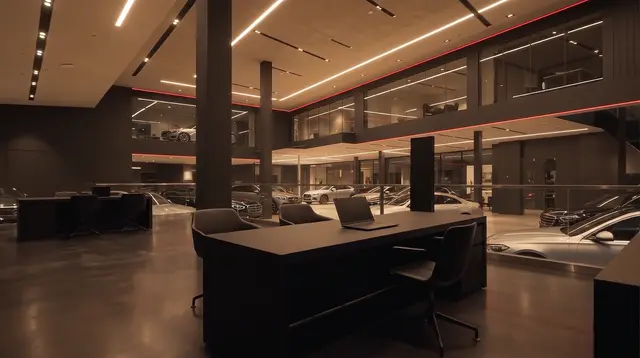
The desk
How you price a trade, when you pass on a deal, what you do at 4 p.m. on a Saturday with three customers and one manager.
 Talk to Sean →
For dealer principals and general managers
AI Apex makes you AI-native in 90 days, then shows you how to capture what your best people know, so it stays in the store when they don't.

You'll be on with me, not a salesperson. No deck, no pitch, unless you ask for it.
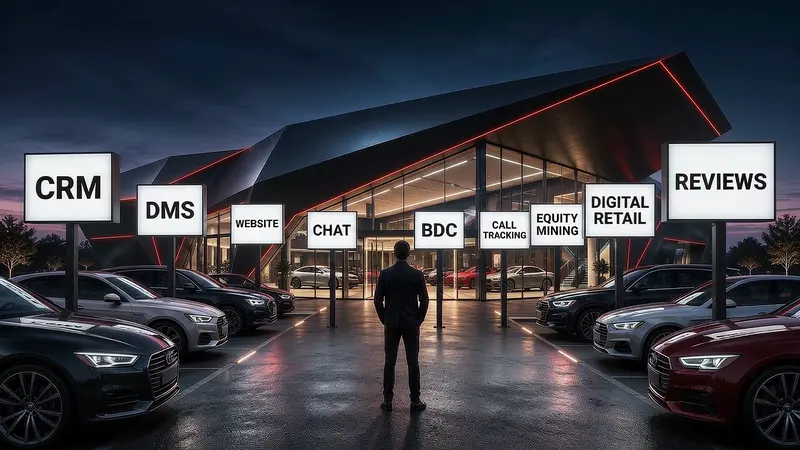
There's AI in your CRM. AI on your website chat. Your DMS vendor is letting outside AI in. Your call tracker transcribes everything. Every one of them learns something about your store every day. And every one of them keeps it. The day a contract ends, the intelligence leaves with the vendor, and you're right back where you started: everything that AI learned about your store is gone, and what your people know is still only in their heads.

Here's the elephant in the room. You're getting dozens of emails, calls and visits a month from companies that want to show you their version of AI, and every pitch sounds good. At some point it becomes impossible to tell which idea has legs and which one doesn't, not because you're not sharp, but because from the outside there's no way to connect all of it. It has to start with you, the way you learn to swim: hours in the water, not reading about it. Once you've captured how you think, you know exactly what it looks like to do it for your service manager, your desk manager and your office manager, and the pitches stop sounding the same. That's clarity.

You open your laptop and your chief of staff has already read Saturday's floor conversations, pulled the three deals that stalled on payment and told you why. You ask it what the store across the street changed on its website this week. It answers in your words, because it learned them from you. The content you built last month is still pulling shoppers to your website instead of the competition's. You've let half a dozen vendors go and saved thousands a month on a stack you hated, where the one part you did use never worked the way you wanted. By nine your people have the day's brief, in writing, in your words. Your AI team had it at seven. It took you ten minutes.
That's not a tool. That's you, with more hours in the day.
How you price a trade, when you pass on a deal, what you do at 4 p.m. on a Saturday with three customers and one manager.
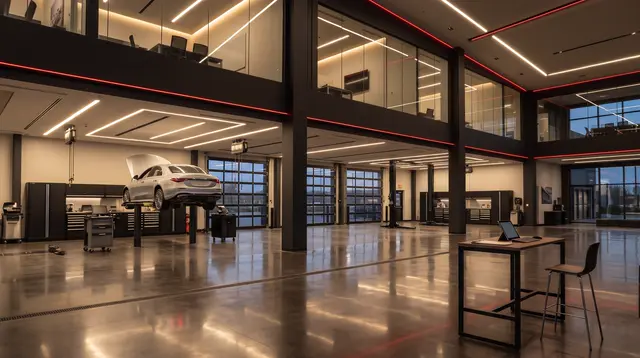
What your best advisor hears in a customer's voice that tells him who's going to approve the brakes and who's going to say "just the oil change," before the inspection even comes back.

The questions that turn a no into a maybe, and the ones that end the conversation.
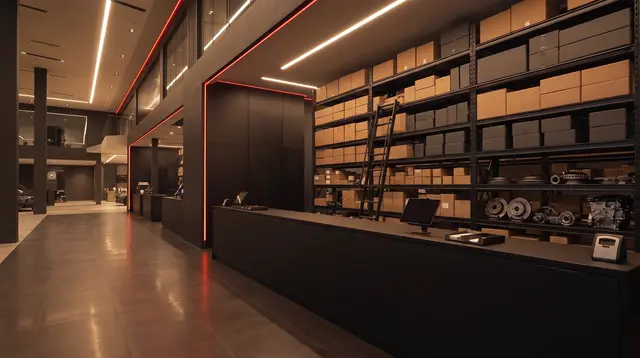
Who knows which supplier actually delivers on a Friday.
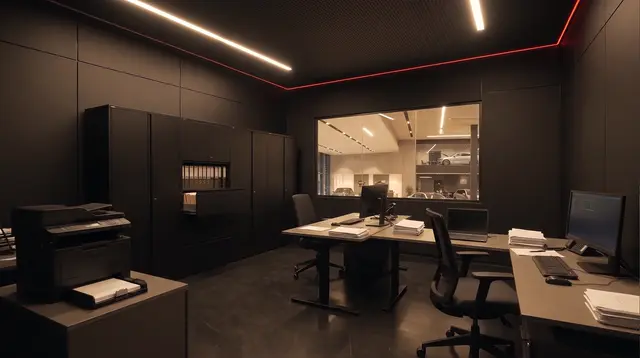
The month-end routine nobody has written down.
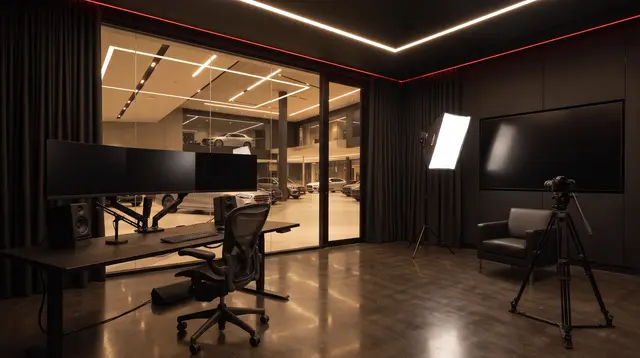
The words that work in your market and the ones that don't, learned over twenty years of ads.
Capture that, department by department, and you've built the one thing no vendor can sell you: your store's own intelligence. Then you gather the data, plug in the best models Anthropic, OpenAI and Google are spending billions to build, and you're years ahead.
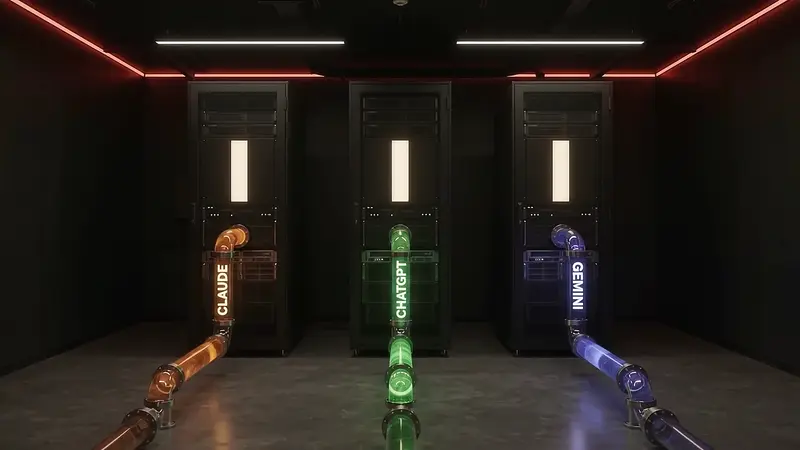
The AI you're using this month is a fraction of what it'll be next spring, and that's fine. Anthropic, OpenAI and Google are spending billions to make it better, and when your intelligence lives in a folder you own, every one of those upgrades makes your store smarter the day it ships. When it lives inside a vendor's product, you don't get that. You get their roadmap, on their schedule.
That's not a tool problem. It's an order problem. You bought the engine first. Nobody builds a Formula One car by bolting a thousand horsepower onto nothing. They build the chassis. Then control: suspension, brakes, steering, the aero that keeps the thing on the ground, the part everyone else skips. The engine comes last, and it's still built in that order today. Every dealer who's been burned by AI did it backwards. Power first. AI doesn't fix what's broken in a store. It just produces the chaos faster.
AI Apex runs on a proprietary process I developed and named the Mastery Engine. Three steps, in order, none skipped.

Not "how to prompt." How to get the best models in the world (the ones most dealers have never opened, not the free one with the ads) to think the way you think, with your context, your taste and your judgment on board. Prompt, context, harness, loop: the four skills every AI-native operator has and almost nobody in the car business has been taught.
Turn what's in your head into machines that run it. The way you price a trade becomes a tool. The way you write to a lost customer becomes a tool. Then you battle-test every one of them against real work, by hand, 20 or 30 times, until you've made good and you can tell the machine what good looks like. You can't delegate a standard you haven't set. That sentence is the whole reason power-first fails.
Only now. First gear: point it at what you already do, same work, ten times faster, three or four hours a day back. Second gear: spend those hours doing things you never had time for. Efficiency funds the transformation.
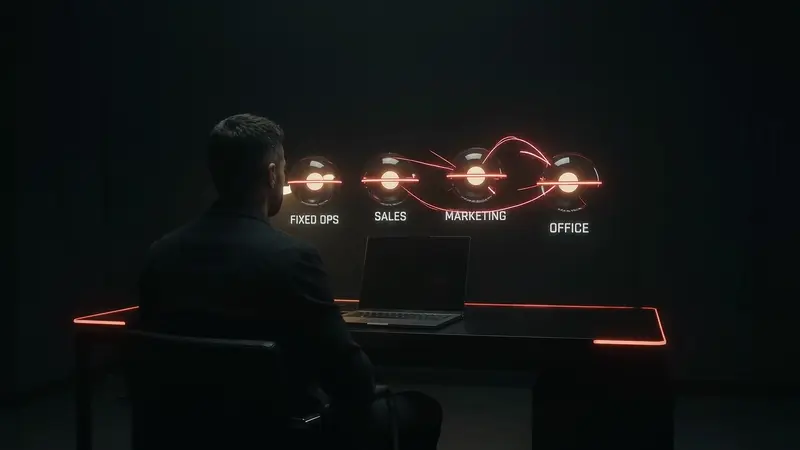
Twelve one-on-one working sessions, built around your store, not a curriculum. The Mastery Engine, run by you with your own hands, on the two workflows every store runs on: traffic and conversion, on the best models available in the world. By day ninety you're AI-native, your own intelligence is captured in a folder you own, and you know exactly what it looks like to do the same for your service manager, your desk and your F&I office.
That's where it starts. When you're ready, the same engine runs on the store: your own AI team in that folder, the four sources of truth about your store feeding it, department by department, with me in the room for the projects you want done. We'll map that together once you've seen what ninety days does.
The time ask. Three to five hours a week, including our session. Most dealers get about seven hours a week back by week six, from work they stopped doing by hand. The GM plus one other person is ideal.

A folder on your own machine. Plain files, readable by any model, holding how you think, how you decide and what your store knows, with your AI team built on top of it. The four sources of truth about your store. Every prompt, skill and workflow you built. A GM who can sit across from his website provider, his DMS rep or a line of code and know which questions to ask. None of it is on my server. None of it needs my login.
A dealer who learned to talk to the most powerful computers ever built the way he'd talk to a good team. Not typing into a box. Briefing them. Research, the database, the follow-up, the paperwork, each one running while he's on the floor selling cars. Things his store was never able to do, done before nine.
Not case studies. Their words, unedited, about what actually changed.
Today, we are using AI and automation to create blogs and video content, improve our marketing, build automated collection programs, streamline internal processes, and reduce repetitive tasks for our staff. This allows our team to spend more time on the activities that actually generate results and grow the business.
In a lot of ways, I've been doing the same thing with people my whole life: learning how to coach, communicate, motivate, and refine outcomes through continuous feedback. The difference is these new teammates happen to be artificial intelligence... and they listen a lot better.
They make it incredibly easy for car guys to bridge tech into their daily workflow without the headache, ensuring you spend less time behind a screen and more time closing deals.
Got it. Pick a time if you'd like to skip the back-and-forth.
Pick a time →I answer within a few hours on weekdays, within a day on weekends. You'll hear from me, not a sequence.